
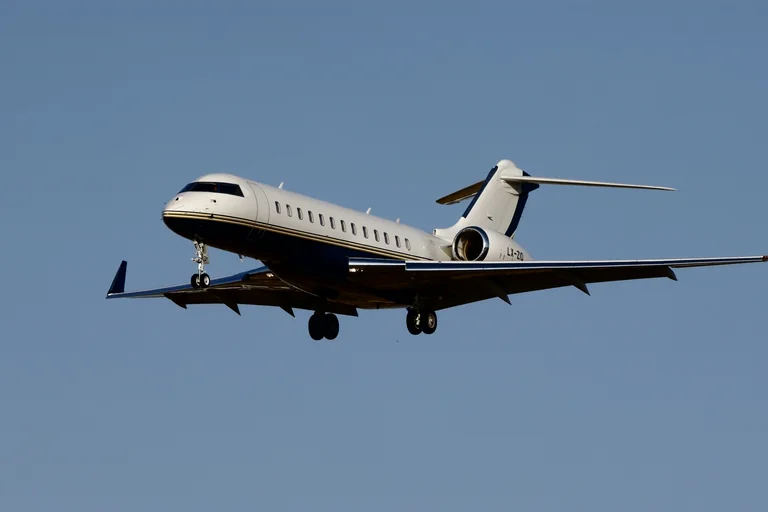

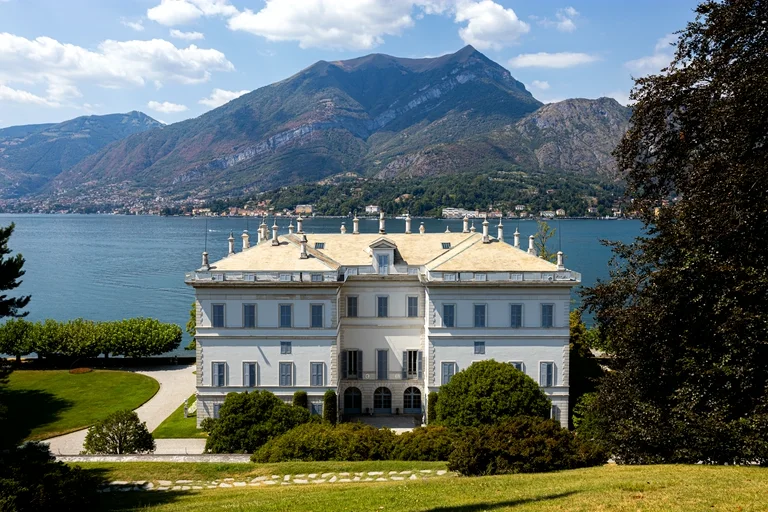
The lounge
A private waiting room with refreshments, somewhere to work and a rest area for the crew. Farnborough’s terminal was designed for discretion, with lounges closer to a private members’ club than an airport.
Private aviation
Any aircraft, any airport. Tell us the dates and we come back with the aircraft and the price.
Charter
Watch sourcing
Tell us the reference you have in mind. We handle the search and the purchase.
Sourcing
Travel and residences
Private villas, hotels and islands, chosen for you and arranged around the flight.
Getting there
Concierge
Rare objects, the events of the year and the people behind them, through one point of contact.
Experiences
Crypto concierge
Private jets and watches, paid for in the major cryptocurrencies and stablecoins.
Pay in crypto

FBO stands for fixed-base operator: the company that runs an airport’s private terminal, parks and fuels the aircraft and, at some airports, houses customs. It is where your car drops you and where the jet waits.
How we choose an FBOFacts checked 20 October 2026.
Photograph: WSP10011, Wikimedia Commons, CC BY-SA 4.0
Reviewed by The 0.1% Group private aviation team · Last checked
FBO stands for fixed-base operator. The US Federal Aviation Administration defines one as a business granted the right by the airport to operate there and provide aviation services such as fuelling, hangaring, parking, aircraft rental, maintenance and flight instruction. For a passenger, the FBO is the private terminal: the building beside the ramp where you arrive, wait and board, away from the airline terminals.
The name dates from the 1920s. Once the US Air Commerce Act of 1926 brought in licences for pilots and aircraft, the flying businesses that had toured from field to field settled at airports, and became fixed-base operations to set them apart from the travelling barnstormers.
Private passengers use an FBO because it removes the airline airport: no check-in desk, no security queue, no gate. The car comes to the terminal, and at many FBOs to the aircraft steps; the bags go from the boot to the hold; the aircraft leaves when you are on board. Busy airports have several FBOs side by side. Teterboro, the busiest private jet airport in the US, has five FBO terminals run by three companies, and every flight is booked into one of them.
The words overlap, and which one you hear depends on where you are. American airports have FBOs. British and European airports speak of handling and handling agents, the language of EU law, in which ground handling covers what an aircraft needs at the airport, from baggage and ramp handling to refuelling. At a business airport in Europe the handling agent and the FBO are usually the same company in the same building.
| Term | Where you hear it | What it means |
|---|---|---|
| FBO (fixed-base operator) | The US, and business airports worldwide | The company: terminal, ramp, fuel and hangars under one name. Signature runs FBOs at Luton as it does at Teterboro. |
| Private terminal, or private jet centre | Everywhere; the passenger’s word | The building. London City’s is the Private Jet Centre; at Farnborough the airport runs the only terminal itself. |
| Handling agent, or ground handler | The UK and Europe | The company that looks after the aircraft and its passengers during the stop. Many European airports require one above a set weight. |
| General aviation terminal (GAT) | Airports built around the airlines | The private terminal at an airline airport. JFK’s is Building 145; in Miami, customs for private flights is the county’s General Aviation Center. |
London has every kind: the airport runs the only terminal at Farnborough, Biggin Hill has the airport’s own beside Jetex, Luton has Signature and Harrods Aviation, and four companies share Stansted. The guide to London’s private jet airports lists them airport by airport.
Six things, though not every FBO offers all of them. The difference between two terminals at the same airport is usually customs, the hours and whether the car can reach the aircraft.
A private waiting room with refreshments, somewhere to work and a rest area for the crew. Farnborough’s terminal was designed for discretion, with lounges closer to a private members’ club than an airport.
Where officers work in the building, passengers from abroad clear there and leave by car. Not every FBO has them: at Miami International, customs for private flights is in a separate county building.
The ground crew marshal the aircraft onto its stand, chock the wheels, load the bags and bring the catering aboard. In the UK and Europe this is the handling, and at many airports it is compulsory.
The FBO sells the jet fuel and delivers it to the aircraft. In the US, buying fuel often reduces or waives the FBO’s own handling fee.
Many FBOs let the car onto the ramp, to the foot of the steps. Farnborough, Signature at Luton and Million Air at Addison all allow it; elsewhere the car stops at the terminal door.
Between flights the aircraft waits on the FBO’s ramp or in its hangar. In winter a heated hangar keeps the jet free of ice: Jet Aviation at Teterboro takes aircraft up to a G650 or a Global 7500 overnight.
An FBO charges the aircraft, not the passenger. The usual lines are a handling or facility fee for the visit, parking or a hangar by the night, and the fuel. Some FBOs add security, infrastructure or reservation fees, and the airport’s own landing fee is separate.
In the US, the handling or facility fee is often reduced or waived when the aircraft buys a minimum quantity of fuel, and the minimum rises with the size of the aircraft. In Europe, handling is usually a published charge for each visit, set by the aircraft’s weight. At Chambéry, one of the airports for the Alpine ski resorts, handling is compulsory for any aircraft over 3 tonnes, and in the 2025–26 season arrivals on winter Saturdays pay 50% more, with a minimum of €1,200.
On a charter none of this reaches you as a separate bill. The operator pays the FBO and the airport, and our quote includes landing, handling and parking. The private jet charter cost guide shows what else moves the price.
| Charge | Set by | How it works |
|---|---|---|
| Handling or facility fee | The FBO or handling agent | Per visit. In the US often reduced or waived above a minimum fuel purchase; in Europe usually a published charge set by the aircraft’s weight. |
| Parking and hangar | The FBO | By the night and the size of the aircraft; more for a heated hangar in winter. |
| Fuel | The FBO or a fuel supplier | By the gallon or litre, with the price posted or agreed with the operator. |
| Security, infrastructure and reservation fees | The FBO | Charged at some FBOs whatever the fuel; event fees apply in busy weeks such as Art Basel in Miami. |
| Landing fee | The airport | Billed by the airport, not the FBO: at Teterboro the Port Authority bills it separately. |
| Customs | The airport, where it charges one | Not every airport charges for customs; the Dallas airports charge by the aircraft’s weight. |
Charges vary by airport, FBO, aircraft and season; operators often hold fuel and handling agreements of their own. We confirm the FBO and its charges with the operator for every flight.
We choose the FBO when we choose the airport, not on the day. Six questions decide it.
Some FBOs are open around the clock and others close at 10 pm. A late arrival goes to one that is open, or to another airport.
From abroad we book an FBO where officers clear passengers in the building, so you leave from the same door. At Westchester, three of the five terminals have them.
A Global 7500 or a Boeing Business Jet needs ramp and hangar space a small terminal lacks. At Opa-locka, Fontainebleau Aviation takes aircraft up to a Boeing Business Jet.
When ramps fill, FBOs ask for reservations. Signature at Teterboro wants one at least six hours before arrival and charges a fee without it, so we book with the flight.
If the car should meet the aircraft, we choose an FBO that allows it on the ramp and give the chauffeur’s details in advance.
If you have a terminal you like, we book it. Otherwise we propose one with the quote and say why.
A handful of companies run FBOs at many airports under one name. The name tells you the standard to expect, but the building on the day matters more, and plenty of good terminals belong to no large network: Farnborough and DFW Corporate Aviation are run by their airports, and Fontainebleau Aviation has its own at Opa-locka and Fort Lauderdale-Hollywood.
| Network | Size, as stated | In our airport guides |
|---|---|---|
| Signature Aviation | More than 200 private terminal and FBO locations worldwide | Teterboro, Westchester, Newark, Luton, Opa-locka Executive, Miami International, Fort Lauderdale Executive, Fort Lauderdale-Hollywood, Love Field |
| Atlantic Aviation | More than 100 locations, across the US | Teterboro, Westchester, Opa-locka Executive, Fort Lauderdale Executive, Love Field, Addison |
| Jet Aviation | Some 50 locations worldwide; owned by General Dynamics, Gulfstream’s parent | Teterboro, Opa-locka Executive, Love Field |
| Million Air | 36 locations worldwide | Westchester, Addison |
| Jetex | A Dubai-based network, with terminals from Europe and the Middle East to Asia and the Americas | Biggin Hill |
| Harrods Aviation | Two London airports: Luton and Stansted | Luton, Stansted |
Sizes as the companies state them, and for Signature as Aviation Week reported on 14 October 2026; checked 20 October 2026. Networks buy and sell terminals often, so we check the operator at each airport for every flight.
Each city guide has a section per airport with the hours, customs and hangars of every FBO. For the hotels, the drive into town and indicative prices, the destination pages: New York, London, Miami and Dallas.
Fixed-base operator. In aviation it is the business at an airport that runs the private terminal, parks and fuels aircraft and looks after passengers on the ground. The US Federal Aviation Administration defines it as a business granted the right by the airport to provide services such as fuelling, hangaring and parking.
The FBO is the company and the private terminal is its building, so at most airports the two words mean the same place. In the UK and Europe the company is also called the handling agent, and at an airline airport the building may be called the general aviation terminal.
Not separately. The operator pays the FBO for handling, parking and fuel, and the airport for landing, and our quote includes them. The exceptions are charges no one can fix in advance, such as de-icing, and we say when one may apply.
In the US the FBO sells the fuel, so many reduce or waive their handling or facility fee when an aircraft buys a minimum quantity, and the minimum rises with the size of the aircraft. Other charges, such as security or reservation fees, can apply whatever the fuel. European handling agents usually charge a set fee by the aircraft’s weight instead.
At some. Where officers work in the building, passengers from abroad clear there and leave by car. At others the aircraft taxis to a separate customs building first, or the officers have to be booked ahead. We arrange it with the flight.
Often. Many FBOs let the car onto the ramp to the foot of the steps, including Farnborough, Signature at Luton and Million Air at Addison. Where the airport or the FBO does not allow it, the car stops at the terminal door.
Shortly before departure: there is no check-in desk and no airline security queue. We give you an arrival time with the itinerary, a little earlier for a flight abroad.
Signature Aviation, with more than 200 private terminal and FBO locations worldwide, as Aviation Week reported in October 2026. Atlantic Aviation has more than 100 in the US, and Jet Aviation some 50 worldwide.
Reviewed by The 0.1% Group private aviation team. The FBO at each airport comes from our four city guides, which list their own official sources. Fees, hours and operators change; we reconfirm them with the FBO and the operator for every flight.
Send us your route, date and where you are staying. We will recommend the airport, the FBO and the aircraft, with a firm price.