
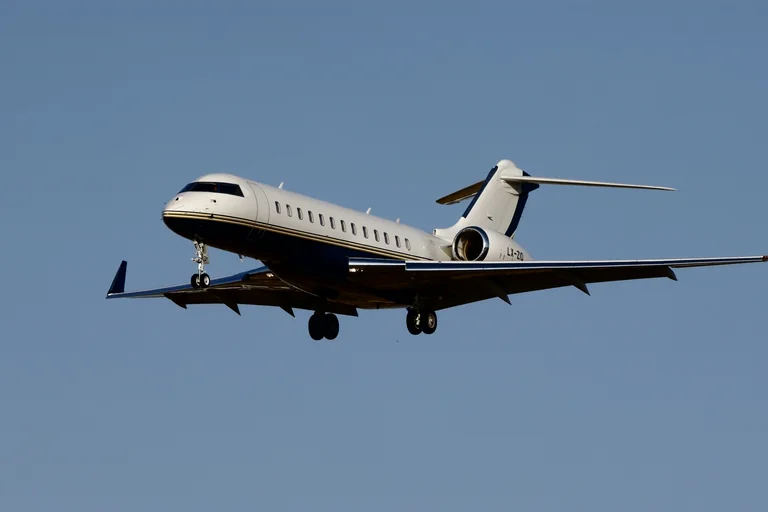




A chief of staff receives the instruction at 16:20: two principals, three colleagues, London to Riyadh tomorrow morning, with secure ground transfers and the option to continue to Dubai. That is not a flight search. It is an operational brief. This executive aircraft charter guide sets out how experienced travellers secure the right aircraft, protect their time and avoid the compromises hidden behind a quick quotation.
Private aviation works best when the adviser understands the purpose of the trip before suggesting an aircraft. Passenger count matters, but so do meeting requirements, baggage, sleeping arrangements, airport restrictions, weather, onward commitments and how much flexibility the schedule must retain. One contact should own those moving parts from first request to arrival.
Start with the mission, not the aircraft
The aircraft category should follow the mission. A light jet may be the sensible answer for two or three passengers travelling from London to Geneva or Nice with modest baggage. It is quick to arrange, can access a broad range of regional airports and avoids paying for range or cabin volume that will not be used.
For a full executive team, a super-midsize or large-cabin business jet is often a stronger choice. The difference is not simply a larger seat count. It is the ability to work privately, hold a confidential conversation without everyone sitting shoulder to shoulder, carry luggage without negotiation and arrive rested enough to begin the next engagement immediately.
Ultra-long-range aircraft suit intercontinental travel where a technical fuel stop would dilute the value of charter. London to the Middle East, North America or parts of Asia can often be flown non-stop, subject to winds, payload and the specific variant. These cabins typically offer distinct zones for work, dining and rest. On a night sector, that separation can be decisive.
A VIP airliner has its place when the travelling party is large, security requirements are elevated or the journey needs a genuinely residential cabin. It is not automatically the superior choice. Larger aircraft require suitable handling, parking and crew planning, and certain airports impose operational constraints. The best option is the one that removes friction from the actual itinerary.
What changes the price of an executive aircraft charter
A charter quote is built around more than airborne time. Aircraft positioning, crew duty limits, airport charges, handling, permits, de-icing, catering, overnight costs and parking can all affect the final figure. A sensible quotation identifies the key assumptions rather than presenting an artificially low headline price.
The route also changes the economics. A one-way flight can involve positioning the aircraft into departure and returning it to base afterwards. A return journey with the aircraft waiting may cost more in crew and parking, but it can still offer better control than releasing the aircraft and attempting to source another one for the return. It depends on the destination, the length of stay and the availability of comparable aircraft.
Empty-leg opportunities can represent value where the timing and routing already suit the principal. They should not be treated as a reliable travel strategy for an inflexible diary. The operator may need to reposition the aircraft if its underlying booking changes, and a seemingly attractive rate means little if the aircraft no longer supports the meeting schedule.
Payment terms are another practical consideration. Some trips need approval and settlement at pace, especially when the requirement appears late in the day. The 0.1% Group can arrange private aviation with major cryptocurrencies and stablecoins, giving crypto-native principals an additional route to confirm time-sensitive travel without introducing unnecessary payment friction.
The executive aircraft charter guide to selecting a cabin
Cabin comfort is not a matter of vanity when the aircraft is part of a working day. Ask how the group will use the space between departure and arrival. A board-level team travelling for a transaction may need a conference layout, reliable connectivity and room for documents. A family travelling overnight may prioritise proper lie-flat sleeping, a quieter rear cabin and baggage volume for an extended stay.
Seat numbers deserve scrutiny. An aircraft advertised for eight passengers may technically accommodate eight, yet be better for six adults on a two-hour sector with hand luggage. The same cabin may feel unsuitable for eight people flying overnight with garment bags, golf equipment or multiple checked cases. There is a meaningful difference between certified capacity and comfortable capacity.
Connectivity should be confirmed for the exact aircraft, rather than assumed from the model name. Wi-Fi capability, coverage and performance vary by installation and region. If a principal expects to conduct a video call or move sensitive files while airborne, make that a stated requirement at the outset.
Cabin layout can vary even within a single aircraft type. Some large jets are configured for high-density seating, others for a small number of passengers with generous living space. Photographs, current configuration and baggage details should be verified before confirmation, particularly for significant journeys or trips involving family members, assistants or security personnel.
Airports, permits and the hours that matter
Private aviation can reduce time spent in terminals, but it cannot ignore local rules. Curfews, slot restrictions, customs hours, parking limits and permit lead times may shape the itinerary. London departures, for example, are influenced by the selected airport, time of day and aircraft noise category. The closest airport is not always the quickest operational answer.
International trips need the same discipline. Some destinations require landing permits, passenger information submitted in advance or particular handling arrangements for non-standard schedules. Flights involving multiple jurisdictions may require careful coordination of visas, customs declarations and onward sectors. A specialist should surface those dependencies early, not after an aircraft has been placed on hold.
Ground movements deserve equal attention. There is little value in saving forty minutes in the air if the principal waits for a vehicle or is delivered to the wrong entrance at the destination. Chauffeur details, security requirements, luggage handling and precise meeting points should sit within the same travel plan. When the itinerary changes, the car, handler and crew need the same updated instruction.
Safety and discretion are selection criteria
Independent aircraft sourcing gives access to a wider market, but it also makes due diligence essential. The focus should be on the operating company, its certification, crew standards, maintenance oversight, insurance and the aircraft's current operational status. An aircraft is not suitable simply because it is available.
A well-run charter process confirms who is operating the flight and under which commercial framework. It checks that the crew's duty time remains workable, that the aircraft can legally and safely perform the required sectors, and that any last-minute substitution meets the same standard. If conditions change, the client should receive options with clear consequences, not vague reassurance.
Discretion is equally practical. Passenger information should be handled on a need-to-know basis, manifests should be accurate, and unnecessary circulation of travel plans should be avoided. For high-profile passengers, that may also mean coordinating discreet terminal access, secure transfers and an arrival process designed around the principal's preference rather than a standard protocol.
Give a charter adviser a complete brief
Speed comes from clarity. A concise request covering departure and arrival points, preferred timings, passenger names, luggage, pets, catering, connectivity, special assistance and onward commitments allows the adviser to assess viable options immediately. If the itinerary may change, say so. Flexibility affects aircraft positioning, crew planning and the terms that should be negotiated before confirmation.
It also helps to distinguish non-negotiables from preferences. A non-stop flight, a full night of sleep, a specific arrival time or a private meeting cabin may be essential. Champagne preference, a particular cabin finish or a preferred aircraft family may be desirable but secondary. That distinction lets the charter team protect the outcome when availability is tight.
For recurring travel, real value comes from retaining context. The adviser should know who prefers which seat, whether a principal travels with security, how a family packs, which airports are most practical and how the office wants approvals handled. Repeating that information for every booking is not a luxury service. It is an administrative failure.
The strongest charter arrangement is rarely the most conspicuous aircraft on the apron. It is the one waiting at the right airport, crewed and cleared for the trip, configured for the people on board and supported by every detail needed once the wheels are down.