
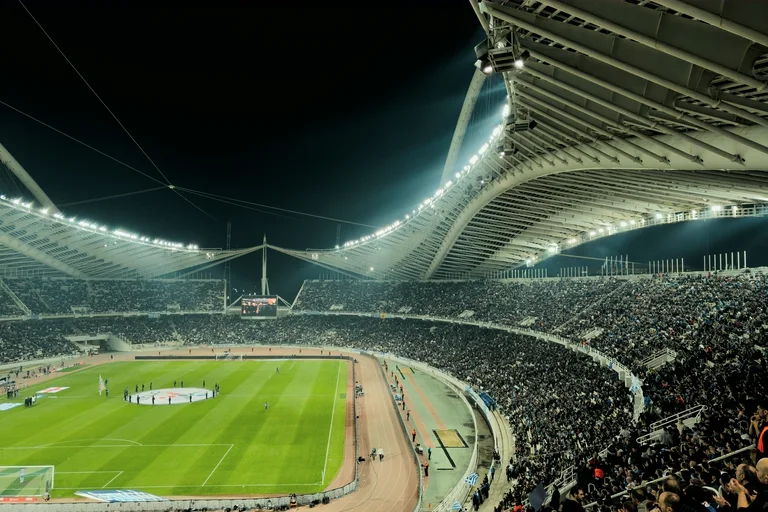

A sold out event tickets concierge is not simply someone who finds a pair of seats after the public allocation has gone. The real value is certainty: credible access, clear terms, correct guest details and an arrival plan that does not unravel at the venue door. When the event matters - a major final, a headline concert, fashion week, a private dinner or an awards night - there is no value in a vague promise of tickets.
For principals used to moving quickly, the brief is rarely just “two tickets”. It may be four guests, hospitality rather than general admission, security-aware seating, a chauffeur collection after the final whistle, and a private flight departing early the following morning. One contact should be able to handle the complete picture, in confidence.
What a sold out event tickets concierge actually does
The public market treats tickets as inventory. A proper concierge treats them as an operational request. That begins with understanding what access means for the specific event: whether it is a named seat, a transferable digital ticket, a hospitality package, a table, a members' allocation or an invitation-only guest list.
These are materially different products. A premium seat at a stadium may offer no lounge access. A hospitality package may require a particular dress code or have a fixed entry window. A festival guest pass may be genuine but non-transferable. The details determine whether an arrangement works.
A capable concierge identifies the right route through trusted suppliers, private allocations, hospitality partners and established secondary-market channels. They then verify what is included, who issues the ticket, how it is transferred and what happens if the event is postponed or cancelled. That diligence is not glamorous, but it is the difference between access and a problem handed to your assistant an hour before doors open.
At The 0.1% Group, requests are handled through one dedicated point of contact. There are no committees, no repeated explanations and no generic queue. You state the date, city, guest count and standard expected. The request is then worked against real availability and real timelines.
The details that change the result
Availability is only one part of a sold-out brief. The best option depends on why you are attending and who is coming with you. A client entertaining commercial partners may need a private box. A family travelling with younger guests may prioritise straightforward entry, comfort and proximity to an exit. A principal attending discreetly may value a low-profile arrival more than front-row visibility.
For high-demand events, the useful questions are specific: Is the access guaranteed or subject to final release? Are seats together? Is the ticket mobile-only? Does the package include food and drink? Is there a dedicated entrance? Can the name be changed? What is the cancellation position?
A concierge should ask these questions before presenting an option, not after payment. If an exact request cannot be met, the alternative should be honest. For example, a private suite may be unavailable, while premium hospitality for the same fixture is available. Front-row seats may exist only as single positions, while excellent adjacent seats can be secured elsewhere in the venue. The right answer is not always the most expensive one. It is the one that fits the brief without creating avoidable friction.
Timing matters more than most people expect
Some requests are best made months ahead, particularly global sporting finals, sought-after tournament sessions, fashion-week access and peak-season cultural events. Others become possible close to the date as production holds are released, sponsors return allocations or travel plans change.
Last-minute does not mean impossible. It does mean the market moves quickly, pricing can shift, and an adviser must distinguish a live opportunity from speculative availability. A credible provider will say what is confirmed, what is being held, and what remains dependent on release. That clarity protects both time and discretion.
How a complex request is handled
A concise initial brief produces a better outcome. Share the event, date, city, number of guests and preferred level of access. Add the variables that matter: whether guests must sit together, dietary requirements, access needs, desired arrival time, security considerations and onward travel.
From there, the work should stay simple from the client side. A specialist sources viable options, verifies the terms and presents a clear recommendation. Once approved, guest information, ticket delivery, transport and venue logistics are coordinated in the right order.
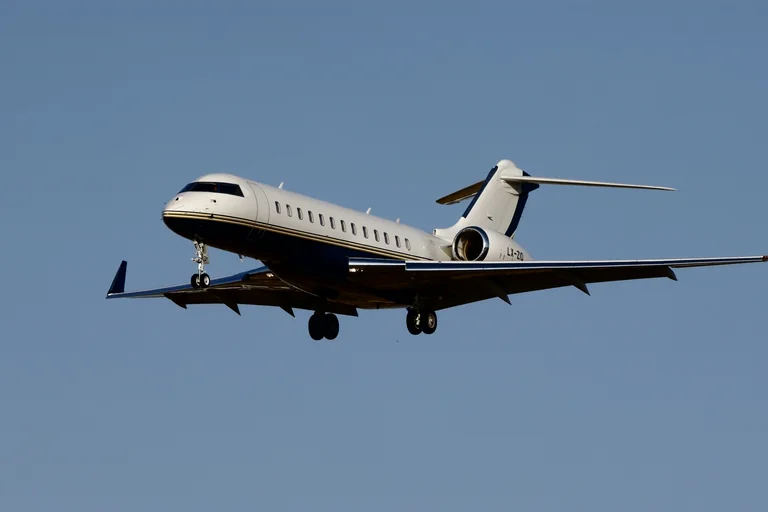
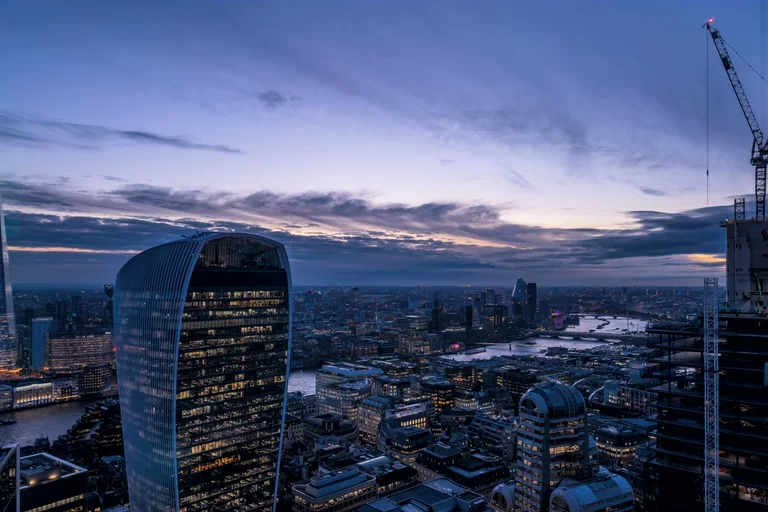
Consider a typical request: London, two guests, a sold-out performance, dinner beforehand and a discreet collection afterwards. Ticket acquisition is only the first task. The venue’s entry procedure must be checked, the restaurant needs a realistic reservation time rather than an optimistic one, and the chauffeur should be positioned for the post-show traffic plan. If the client is arriving by private jet, airport timings and aircraft handling need to align with the evening rather than sit in a separate itinerary.
This is where fragmented booking becomes expensive. Tickets from one contact, a car from another and a table booked independently can work. But when timings change, nobody owns the whole outcome. A single concierge does.
Access without unnecessary exposure
Discretion is central to event access, particularly for public figures, senior executives and families. The requirement may be as simple as avoiding a crowded public entrance. It may also involve coordinating close-protection teams, arranging a suitable vehicle, limiting guest information and ensuring tickets are delivered through the correct channel.
Confidentiality should be standard rather than a special request. Names, travel plans and seating details should not be circulated more widely than necessary. Suppliers still need enough information to fulfil the arrangement, but the process should be controlled, proportionate and quiet.
There is also a practical security element. High-value tickets attract fraud, particularly when demand is highest. Screenshots, social-media offers and informal introductions are not a substitute for provenance. A concierge should be able to explain the source of access, the transfer method and the relevant conditions before funds are committed.
When premium pricing is justified - and when it is not
Sold-out access carries a premium because the supply is limited and the work is time-sensitive. That does not mean every high price represents value. The premium may be justified where the event is genuinely scarce, seats are exceptional, hospitality is included, or the ticket is tied to a reliable allocation route.
It is less compelling where the seller cannot specify the exact product, transfer method or cancellation terms. “Best available” can be appropriate for a flexible client. It is not appropriate when a client has asked for a particular stand, table format or guest experience.
A good concierge gives a view, not just a number. Sometimes the sensible recommendation is to wait for a more credible release. Sometimes it is to secure the only suitable option immediately. It depends on the event, the guest profile and how fixed the date truly is.
More than a seat at the event
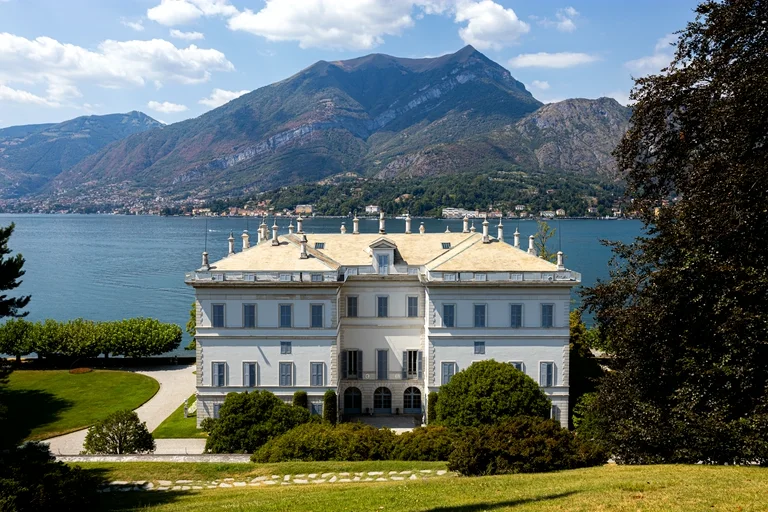
The ticket is often the visible part of a broader arrangement. A weekend around Monaco, Paris, London or the Gulf can involve flights, airport transfers, hotel suites, restaurant access, private security and a departure plan that changes after the evening runs late. These moving parts should support the event, not compete with it.
For internationally mobile clients, payment can matter too. Where appropriate, high-value arrangements can be settled using major cryptocurrencies and stablecoins, subject to the requirements of the transaction. The point is optionality: no unnecessary delay when conventional banking hours or cross-border processes are not aligned with the request.
The best sold-out event access feels uneventful once it is in place. The tickets are correct, the guests know where to go, the car is waiting, and nobody is negotiating with a venue team at the last minute. That is the standard worth paying for: not noise around access, but a plan that holds when the doors open.