

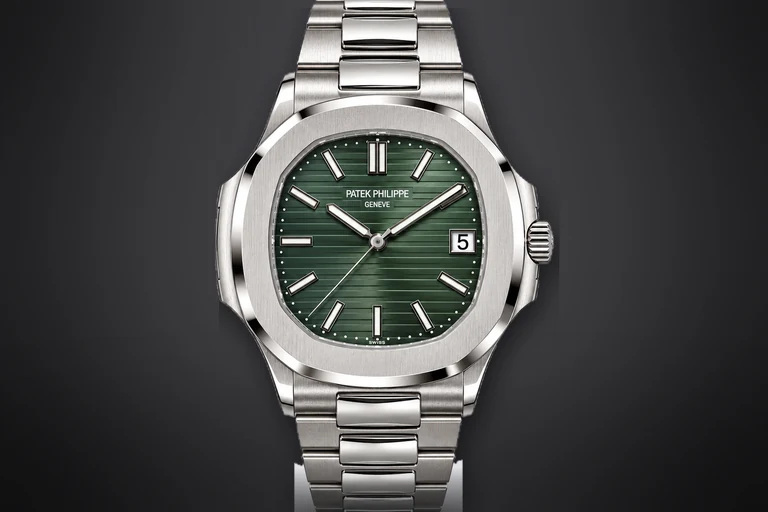




A seven-figure aircraft charter cannot wait for a banking cut-off. Nor should a rare watch allocation disappear because a transfer is held for review. This cryptocurrency luxury payment guide explains how high-value crypto settlement works when the brief is time-sensitive, confidential and dependent on real-world delivery.
For principals, family offices and crypto-native entrepreneurs, the attraction is straightforward: use liquid digital assets to pay for a private jet, a hard-to-source timepiece or a complex travel arrangement without introducing unnecessary friction. The standard, however, must remain the same as any serious luxury transaction - clear pricing, properly verified funds, documented terms and one accountable contact from request to completion.
When cryptocurrency is the right payment route
Crypto is not a novelty payment option when it is structured correctly. It can be particularly useful where wealth is held in Bitcoin, Ethereum or stablecoins, where international banking rails are slow, or where a booking must be confirmed outside conventional bank hours.
Private aviation is a clear example. An aircraft may be available for a limited window only. The operator, handling agent, crew and airport slots all require confirmation before the aircraft is released. A verified cryptocurrency payment can allow the commercial side of that process to move at the pace of the operation.
The same applies to rare watches. A discontinued Rolex, Patek Philippe, Audemars Piguet or Richard Mille is not a catalogue item with an indefinite holding period. A trusted source may offer a specific piece, with its condition report, provenance and delivery terms agreed, for only as long as the seller is prepared to reserve it. The ability to settle decisively can matter.
That said, crypto is not automatically the best route in every case. If the supplier requires a particular fiat currency, if the transaction involves a jurisdiction with additional controls, or if a client prefers to retain crypto exposure rather than sell or spend it, a traditional transfer may be more appropriate. The point is optionality, not ideology.
Cryptocurrency luxury payment guide: the process
A well-run crypto transaction should feel controlled, not improvised. The payment itself is only one part of the booking. Before funds move, the scope of the service, the commercial terms and the settlement instructions need to be confirmed in writing.
1. Define the brief before discussing the wallet
Start with the outcome. For aviation, that means route, dates, passenger count, baggage, pets, preferred aircraft category, catering, ground transport and any flexibility around departure times or airports. For a watch, it means the exact reference, dial, condition expectations, box and papers, service history, budget and delivery location.
This matters because the payment amount must relate to a defined service or asset. A broad request such as "a jet to Dubai" is not yet a bookable charter. London to Dubai on a Friday afternoon may require a super-midsize jet, a heavy jet or an ultra-long-range aircraft depending on passenger numbers, baggage, operating restrictions and desired cabin standard. The quote should reflect the actual mission, including taxes, positioning where applicable and any relevant operational costs.
2. Agree the quoted currency and rate method
Luxury suppliers generally price aircraft, watches and specialist arrangements in fiat currency. A cryptocurrency payment therefore needs a clear conversion method.
The quote should state the underlying currency, the crypto asset accepted, the exchange-rate source or calculation method, and the period for which the rate is valid. Stablecoins can reduce price movement between invoice and settlement, which is why USDT and other major stablecoins are often practical for high-value payments. Bitcoin may be preferred by clients holding long-term BTC, but its market movement needs to be allowed for.
A short payment window is normal. It protects both parties from a material change in value while a transaction is awaiting confirmation. If the window expires, the crypto amount may need to be recalculated. That is not a hidden charge; it is a consequence of settling a fiat-priced service with a variable-value asset.
3. Complete verification early
Discretion does not remove the need for compliance. Legitimate high-value transactions require identity, source-of-funds and, where appropriate, source-of-wealth checks. This protects the client, the service provider and the underlying supplier.
For an individual, this may involve identification, proof of address and a concise explanation of the wallet’s source of funds. For a company or family office, it may include corporate documents, beneficial ownership information and authorised signatory confirmation. If the wallet has received funds through multiple exchanges, decentralised platforms or private transfers, allow time to provide a coherent audit trail.
The fastest transactions are not those that avoid checks. They are the ones where checks are anticipated before an aircraft is held or an asset is reserved. A serious concierge will tell you what is needed early, handle the process in confidence and avoid asking for the same information twice.
4. Verify wallet instructions independently
Wallet-address fraud is a real risk in high-value transactions. Never treat payment instructions sent in an unexpected message as final. The receiving wallet address should be verified through an agreed, independent channel with your named contact before funds are sent.
Check the network as well as the address. Sending an asset through the wrong chain can create a recovery issue or, in some cases, an irreversible loss. A small test transfer can be sensible for first-time counterparties, provided the charter or asset-hold timeline allows it. For an urgent aircraft departure, that time may not exist, making prior verification even more important.
Once payment has been broadcast, provide the transaction hash promptly. The recipient can then monitor confirmations and coordinate release of the aircraft, watch or onward supplier payment.
5. Know what payment confirms
The confirmation point should be explicit. Is the booking secure when the transaction is broadcast, after a specified number of blockchain confirmations, or only once the receiving party has converted the funds? The answer depends on the asset, network, value and supplier arrangement.
For private jet charter, payment confirmation should align with the aircraft’s release conditions. A deposit may secure the aircraft, with the balance due before departure; other missions, particularly last-minute trips, may require full settlement upfront. For watches, understand whether payment reserves the piece, triggers inspection and shipment, or completes the sale subject to agreed authentication and delivery terms.
No payment method changes the need for a proper paper trail. Your invoice, booking confirmation, cancellation terms and asset documentation should be as clear as they would be for a bank transfer.
Privacy, discretion and the limits of anonymity
Cryptocurrency can offer a degree of transactional privacy, but it is not synonymous with anonymity. Public blockchains record transactions, and regulated counterparties may be required to identify the payer and assess the source of funds.
For clients who value discretion, the practical advantages are control, speed and reduced reliance on multiple banking intermediaries. The objective is not to hide a legitimate transaction. It is to keep sensitive personal, travel and commercial information restricted to the people required to deliver the brief.
That distinction matters with private aviation. Passenger manifests, security requirements and border formalities still apply. Crypto may settle the charter, but it does not remove aviation regulation, customs requirements or the need to provide accurate traveller information.
What can be paid for with crypto?
The scope can extend well beyond a single flight. Depending on the arrangement and supplier terms, cryptocurrency may be used for private jet charter, helicopter transfers, rare watches, villa stays, chauffeur services, private chefs, yacht charters, specialist security and complex multi-stop travel.
One transaction can also support a wider itinerary. A family travelling from London to the Middle East may need an aircraft, airport transfers, a villa, dining arrangements and a watch delivered securely at destination. The operational value is having one party coordinate the moving parts, rather than making the client settle separate requests across several time zones.
The 0.1% Group handles these briefs through a dedicated contact, with major cryptocurrencies and stablecoins considered for eligible private aviation and luxury sourcing transactions.
Questions worth asking before you pay
Before sending funds, ask which crypto assets and networks are accepted, how the exchange rate is fixed, how long the quote remains valid, what confirmation threshold applies, and whether any processing costs are included. Confirm the refund position too. If an operator cannot perform a charter or a sourced watch fails agreed checks, the contractual remedy should be clear, including whether any refund is made in crypto, fiat or the fiat value at a defined point.
Also ask who holds responsibility for the underlying delivery. A payment processor may facilitate settlement, but it is the contractual provider or arranging party that should remain accountable for the aircraft, asset or service you have commissioned.
For significant transactions, involve your legal, tax and security advisers where appropriate. Cross-border ownership, VAT treatment, import duties, corporate payment authority and personal tax consequences do not disappear because the settlement asset is digital.
The most useful approach is simple: treat crypto as a high-performance settlement rail, not a shortcut around diligence. When the terms are clear and the contact is accountable, it gives you another way to move quickly when the aircraft, the watch or the opportunity is actually available.