

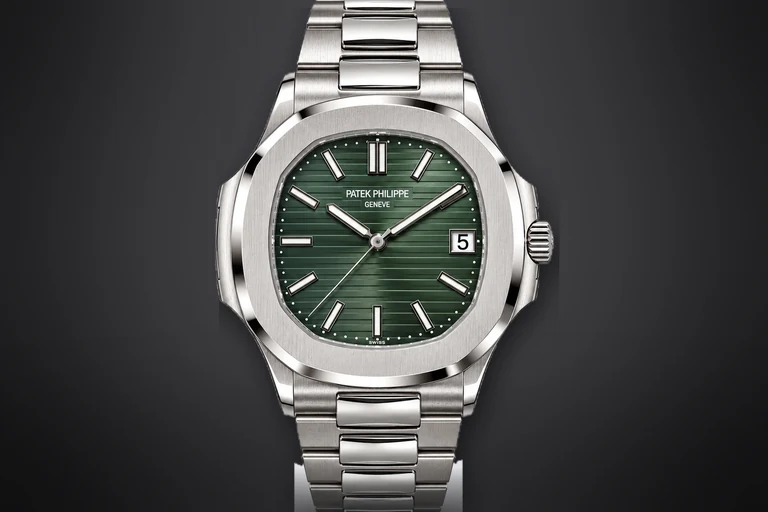




At 16:40 on a Wednesday, a client requested a discontinued Rolex Daytona in unworn condition, with a full set, verified provenance and delivery in London before Friday evening. Payment was to be made in USDT. This crypto watch purchase case study is not about a speculative transaction. It is about turning a precise brief into a controlled acquisition when the reference, condition and timeline all matter.
The client did not want a marketplace search, a waiting list or several introductions to dealers. They wanted one contact, a clear route to purchase and confidence that the watch arriving matched the watch approved. The brief was handled in confidence from the first message.
Crypto Watch Purchase Case Study: The Brief
The requested Daytona was a discontinued configuration with strong collector demand. That immediately narrowed the field. The objective was not simply to find the reference number. It was to locate an example with the correct dial, original accessories, clean condition and a seller prepared to transact quickly under appropriate compliance checks.
A watch can appear available in several places at once. That does not mean it is truly available, or that its condition has been assessed properly. In rare-watch sourcing, the useful question is not “Can you find one?” It is “Can you secure the right one, from a credible counterparty, on a timeline that holds?”
Within the first hour, the specification was confirmed: reference, preferred condition, acceptable production range, box and papers requirement, delivery address and payment asset. The client also made clear that they would rather wait for the right example than compromise on an over-polished case or incomplete set. That distinction protected the purchase from becoming an expensive convenience decision.
Why the payment method mattered
Crypto can remove friction from a high-value purchase, particularly where the buyer holds digital assets and does not want to wait for international bank transfers, correspondent-bank checks or currency conversion. It does not remove the need for process.
The agreed purchase price was quoted in fiat value and converted into USDT at the point of settlement. This avoided ambiguity caused by market movement between approval and payment. The wallet details were verified through an established settlement process, and the transaction was subject to the relevant client and counterparty checks before funds moved.
For the client, the result was simple: no unnecessary conversion into another currency, no extended banking timetable and a permanent transaction record. For the sourcing side, it meant the seller could be paid once the watch and documentation had passed the agreed checks.
Sourcing the Right Watch, Not Just Any Watch
The first viable example surfaced through a specialist dealer relationship outside the public market. It was unworn, supplied with its original box and papers, and held in Europe. Photographs were promising, but photographs alone do not complete a purchase at this level.
The dealer was asked for additional close-up images and video covering the case, bezel, clasp, bracelet, dial, serial details and accompanying documentation. The purpose was to identify any signs of handling, polishing, replacement components or inconsistency between the watch and its papers. The selling history and dealer reputation were also considered before a commercial commitment was made.
This is where a crypto watch purchase differs from simply sending digital assets to a seller advertising on social media. The speed of crypto settlement is valuable only when paired with disciplined verification. A fast payment to the wrong counterparty is still the wrong purchase.
By 20:15, the watch had passed the initial review. The client received a concise approval pack: confirmed specification, condition report, supplied accessories, pricing basis, delivery plan and settlement instructions. There was no pressure to proceed. The client had enough information to make a decision without being asked to interpret dealer language or chase updates across time zones.
Approval came that evening.
Settlement Without Losing Control
The transaction was structured so that payment, collection and delivery followed a defined sequence. The seller confirmed the watch was physically in its possession and reserved it against the agreed terms. The client completed the required onboarding and received the verified USDT wallet details.
Once the transfer had the required blockchain confirmations, the seller released the watch for collection. The settlement was completed overnight rather than waiting for a conventional bank transfer to clear on the next working day.
That speed has limits. Crypto payments can settle rapidly, but network congestion, wallet errors, incorrect chain selection and exchange withdrawal controls can still cause delays. Stablecoins also require careful handling: the specific asset, network and receiving address must be agreed exactly before funds are sent. A six-figure purchase is not the place for assumptions.
In this case, the client used USDT because it matched their existing treasury position and allowed the price to remain stable between instruction and settlement. Another client might prefer Bitcoin, while a buyer whose funds are already held in GBP or EUR may find a bank transfer more straightforward. The right method depends on liquidity, timing, jurisdiction and the seller’s acceptance criteria.
Collection, Inspection and Insured Delivery
The watch was collected from the dealer by an insured specialist courier. Before dispatch, a final physical inspection confirmed the serial details, condition, accessories and presentation matched the approval pack. The watch was then prepared for secure delivery to the client’s London address.
Delivery took place on Friday afternoon, within 48 hours of the original request. The client received the complete set, with the purchase details and provenance records retained for their files.
The outcome sounds uncomplicated because the work was done before the handover. The value was not merely access to a Daytona or the ability to accept USDT. It was the ability to coordinate sourcing, verification, compliance, settlement, insurance and delivery without asking the client to manage five separate parties.
What made the timeline possible
The result relied on a tight brief and a credible network, but it also relied on the client being decisive once the right watch was identified. Rare-watch availability can change in minutes. A source cannot responsibly promise that a particular piece will remain available while multiple parties deliberate.
Four factors made this request workable:
- The client specified the non-negotiables clearly, including condition and full-set requirement.
- The watch was located through an established specialist counterparty rather than an unverified public listing.
- Compliance information and payment preferences were confirmed before the final approval.
- A secure collection and delivery plan was arranged before settlement.
Where one of those elements is missing, a longer timeline is usually the sensible answer. A more unusual dial, a vintage reference, a particular year of production or a request for an untouched example can require broader sourcing and independent inspection. Speed should never replace proper diligence.
The Practical Lesson for Crypto Buyers
A rare watch purchase should be treated as an acquisition, not a checkout. The reference number is only one part of the decision. Condition, provenance, originality, market position, seller credibility, insurance and secure logistics all influence whether the watch is worth owning after the excitement of the delivery has passed.
Crypto is particularly effective when it is integrated into this process rather than treated as the whole process. It gives qualified buyers another way to deploy capital quickly and discreetly. It does not guarantee availability, validate a watch or make a poor price good.
For clients buying regularly, it is worth agreeing preferences in advance: the brands and references of interest, acceptable condition, whether a full set is essential, preferred payment assets and delivery locations. That preparation means a genuine opportunity can be assessed and secured without repeated explanation.
The 0.1% Group handles that coordination through one accountable contact, from the first request to final delivery. If the right watch is not available immediately, the useful answer is not a vague promise. It is a real timeline from real requests, with every material trade-off made clear before you commit.
The best time to establish your buying criteria is before the call comes in that the right piece has appeared. Then, when it does, the only decision left is whether you want it.