




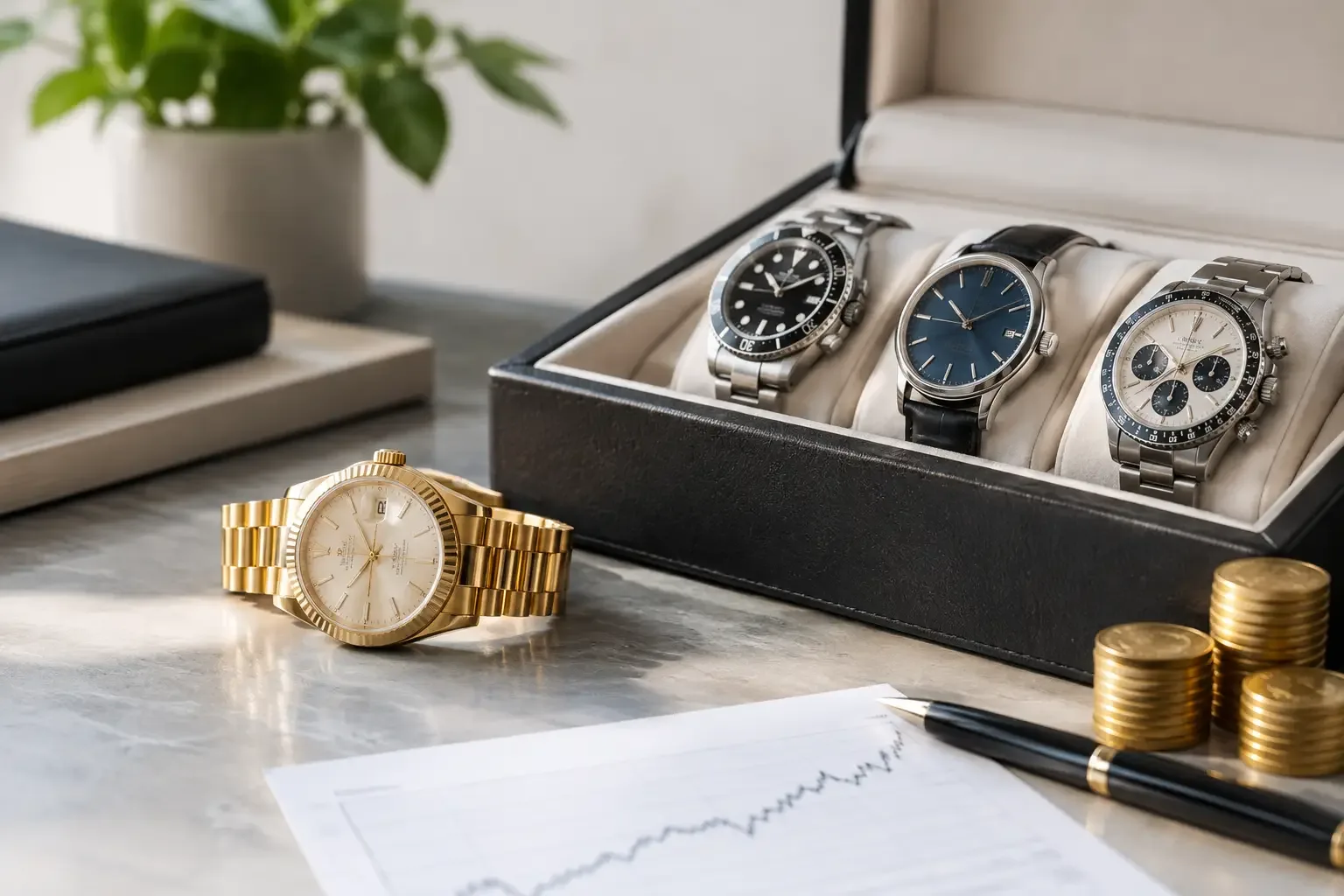
A steel sports watch bought at the right level can be easier to sell than a portfolio of unfamiliar assets. That does not make every luxury timepiece an investment. The best watches for investment tend to be scarce, instantly recognisable, correctly specified and supported by a deep international buyer base. The difference is discipline: buying a reference with enduring demand rather than buying the latest piece receiving attention online.
For a serious collector, a watch can be worn, enjoyed and held privately while retaining meaningful liquidity. But it is still a market with cycles, transaction costs and sharp differences between references that look similar on paper. A sound acquisition starts with the watch, not the projected return.
What makes a watch investable?
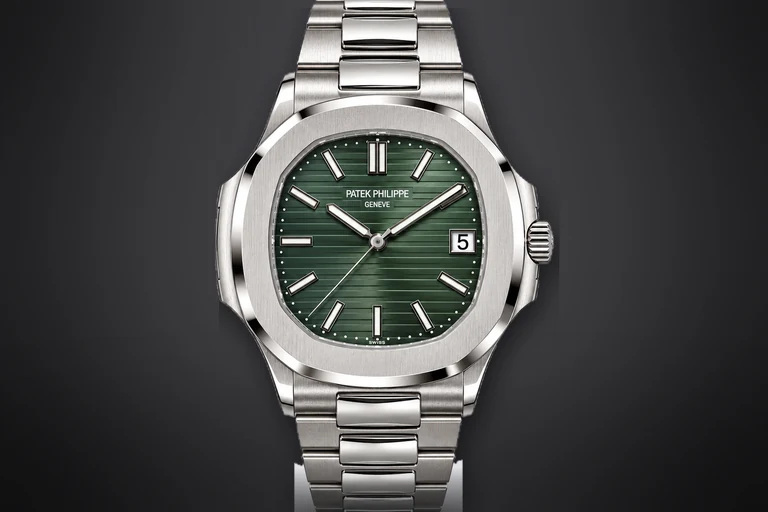
The strongest watches combine limited supply with long-established demand. Supply alone is not enough. A limited edition from a less respected line can remain difficult to resell, while a standard-production Rolex Daytona or Patek Philippe Nautilus may trade consistently because buyers understand exactly what it is and where it sits in the market.
Brand equity matters, but reference-specific demand matters more. Within the same manufacturer, one dial, bezel, case material or generation may command a substantial premium over another. Collectors pay for the details: an original dial, a discontinued movement, a desirable bracelet, the right production period and a clean, unaltered case.
Liquidity should sit alongside rarity in every buying decision. A rare piece with only a handful of potential buyers can take time to place, particularly at an ambitious price. A sought-after steel sports watch, by contrast, may have a broader pool of buyers in London, Geneva, Dubai, Hong Kong and New York. If capital preservation matters, that depth is valuable.
Condition is often the deciding factor. Over-polished lugs, replacement hands, refinished dials and non-original service parts can materially affect collector value. A watch may be genuine, wearable and visually attractive yet still fall short of the standard expected by a sophisticated buyer. The closer a vintage or discontinued piece is to its correct original configuration, the more carefully it should be assessed.
Best watches for investment: the established names
Rolex sports models
Rolex remains the most liquid entry point for many collectors. The Daytona is the obvious example, particularly steel references with strong design continuity and limited retail availability. Certain discontinued generations have developed their own collector following, while current references remain globally recognisable and comparatively straightforward to place when correctly priced.
The GMT-Master II, Submariner and certain Day-Date configurations also deserve attention. The right GMT-Master II can offer a compelling balance of recognisability, daily wearability and international demand. With the Submariner, subtle reference differences matter: production era, dial type, bracelet and case condition can alter both desirability and value.
Not every Rolex is a financial proposition. High-volume precious-metal models, highly customised pieces and watches purchased significantly above prevailing market levels can be harder to exit cleanly. Buy a reference that collectors already understand, then avoid paying for noise around it.
Patek Philippe Nautilus and Aquanaut
Patek Philippe occupies a different position. It is a house associated with long-term collecting, technical pedigree and restrained production. The Nautilus, particularly desirable steel and discontinued references, has become a modern benchmark for demand-led appreciation. Its market has cooled from its most speculative peaks, which is healthier for a buyer focused on the underlying watch rather than a short-term trade.
The Aquanaut has similarly broad appeal, especially in steel and on its original composite strap. Its sportier profile attracts a younger, globally mobile buyer base without losing the weight of the Patek name. The strongest examples are usually those with clean provenance, complete accessories and a configuration buyers actively seek.
For both lines, retail price and market price are very different things. A purchase can still be intelligent at a premium, but only if that premium reflects genuine reference-level demand rather than an unrealistic asking price. The entry price defines much of the eventual outcome.
Audemars Piguet Royal Oak
The Royal Oak remains one of the most important luxury sports watches ever made. Its integrated bracelet, Gérald Genta design language and unmistakable case shape create immediate recognition across collector circles. Steel Royal Oak references with sought-after dial colours and balanced case proportions tend to have the broadest audience.
The 37 mm and 39 mm formats can appeal to buyers who value the original Royal Oak proportions, while 41 mm references have their own modern market. There is no universal winner. The better choice depends on the specific reference, dial, condition and your likely buyer when the time comes to sell.
Royal Oak Offshore and concept-led pieces can be more selective. They may be exactly right for an owner who wants a more assertive watch, but they generally require greater confidence in the niche and a longer holding period. Collectability is not the same as immediate liquidity.
Richard Mille with proven demand
Richard Mille operates in a narrower but powerful market. The best-known references are engineered as highly visible statements, often produced in limited quantities and associated with athletes, collectors and technical innovation. Demand is strongest for models with a clear identity, notable materials and an established international following.
This category rewards specialist knowledge. Configuration, year, service history, wear to the case and movement condition need careful scrutiny. It also has a more concentrated buyer base than a Rolex or Patek Philippe sports model. That can support exceptional values for the right watch, but it makes provenance and sourcing particularly important.
Provenance is part of the asset
For modern watches, a complete set usually means the original box, warranty card or certificate, booklets, tags where applicable, and a coherent ownership and service record. These items do not merely make the presentation better. They strengthen buyer confidence and can affect resale value materially.
For vintage pieces, the question is more nuanced. An original dial and correct period components can matter more than a later box. However, documentation, auction history, a respected retailer invoice or a well-maintained service file can give a buyer confidence that the watch has not been compromised.
Authentication should go beyond confirming that a watch is genuine. It should establish whether its dial, bezel, bracelet, movement and accessories are correct for that reference and production period. The distinction protects both the collection and the exit strategy.
Buying strategy: collect first, invest second
The most reliable approach is to buy watches you would be content to keep. Markets move. A reference that is momentarily fashionable may retreat once supply reaches the secondary market or buyer attention shifts. A genuinely important watch with lasting design relevance is easier to hold through that volatility.
Set an intended holding period before you buy. Short-term flips depend heavily on timing and transaction costs, including dealer margins, insured shipping, servicing and potential tax considerations. A three-to-five-year view gives more room for market cycles and allows you to prioritise quality over immediate momentum.
Avoid treating a headline sale as a pricing guide. Auction results may include a particularly exceptional example, an unusual provenance story or a buyer willing to pay beyond the wider market. Ask instead what comparable watches have actually changed hands for, how quickly they sold and whether the quoted price includes the full set and correct components.
It also pays to be selective with service work. Mechanical reliability matters, particularly for a watch you intend to wear, but unnecessary replacement of original components can reduce collector interest. Before authorising work on an important piece, understand precisely what will be retained, replaced and documented.
Sourcing without compromising the brief
The best opportunities are not always displayed publicly. A collector may be prepared to release a watch discreetly, a dealer may have an incoming piece not yet listed, or a specific configuration may be available through a private network. That access is useful only when the diligence remains uncompromising.
A proper sourcing brief should specify the exact reference where possible, acceptable production years, desired dial and material, condition threshold, full-set requirements and budget. It should also define what is unacceptable, such as heavy polishing, aftermarket setting or incomplete provenance. Clarity prevents a fast transaction becoming an expensive compromise.
The 0.1% Group sources rare watches through a specialist global network, with provenance, condition and practical delivery considered before a watch is put forward. For clients settling in Bitcoin, USDT or other major cryptocurrencies, payment can be structured without turning the acquisition into a slower, fragmented process.
A well-bought watch should never need a dramatic story to justify itself. Choose the reference that informed collectors will still want when the market is quieter, keep its documentation intact, and give yourself the option to enjoy it while you hold it.