
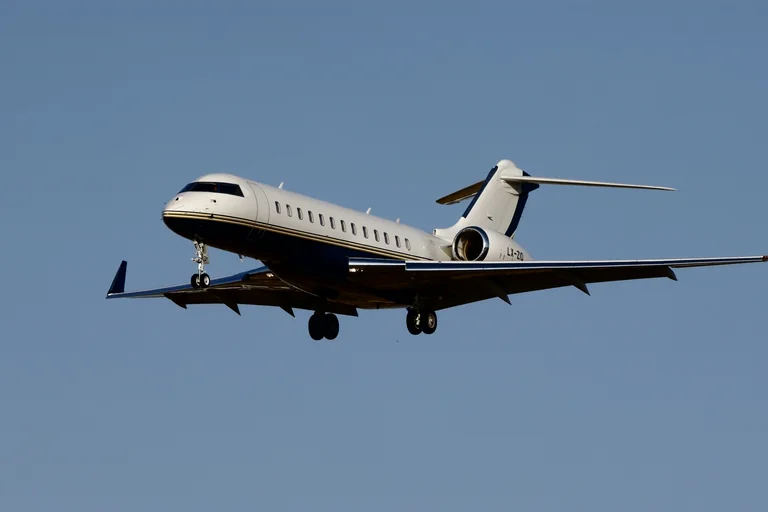

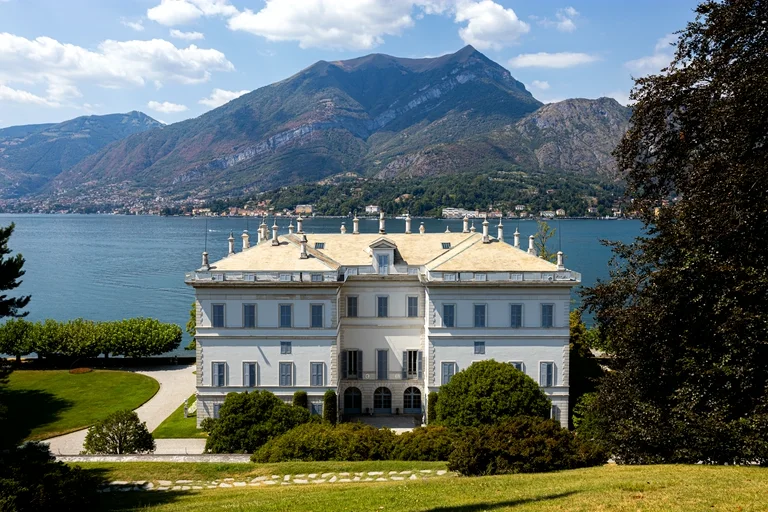
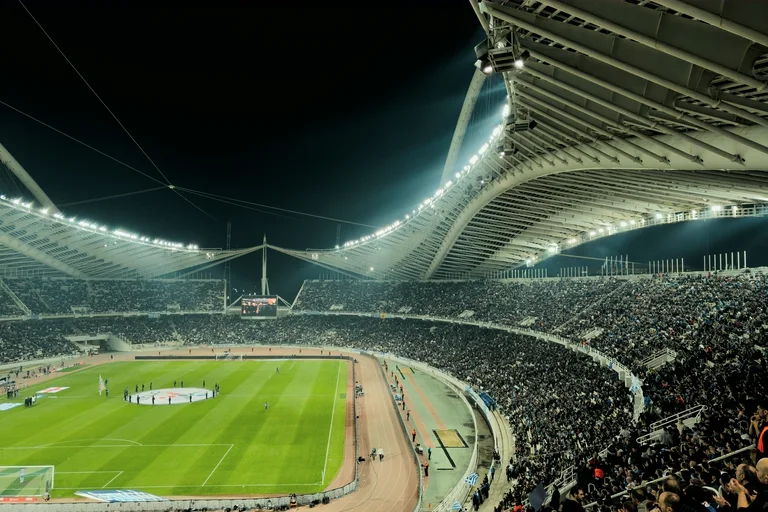


A private aircraft is only as efficient as the airport at either end. The best airports for private aviation reduce ground time, protect privacy and put you close to the meeting, residence, yacht berth or resort that prompted the journey. A prestigious commercial hub can still be the wrong choice if it means runway congestion, restrictive slots or a 90-minute transfer.
For experienced travellers, airport selection is not a detail left until after the aircraft is confirmed. It is part of the brief. The right private terminal, operating hours, customs process and road access can save more time than moving up an aircraft category.
What Makes an Airport Work for Private Aviation?
An airport does not need to be large to work well for private travel. In fact, many of the most effective options are purpose-built business aviation airports or secondary fields with strong fixed-base operator, or FBO, facilities. The FBO handles arrivals, departures, passenger lounges, ramp access, catering, fuel, permits and, where available, customs coordination.
The practical test is simple: how quickly can the aircraft arrive, how discreetly can passengers move through the terminal, and how reliably can the flight operate at the required time? Capacity matters, but so do curfews, noise restrictions, parking limits, slot rules and the availability of customs and immigration outside standard hours.
A principal travelling from Mayfair to a morning meeting in Geneva has different priorities from a family leaving London for Sardinia with significant luggage, or a delegation flying into New York for a single afternoon. One airport will not suit every mission.
Best Airports for Private Aviation in Europe
London: Farnborough and Biggin Hill
For London-based private aviation, Farnborough Airport remains one of the strongest choices. It is dedicated to business aviation, with a controlled environment, discreet facilities and a straightforward passenger process. It is particularly well suited to travellers based in Surrey, Hampshire and west London, as well as those heading directly onwards by helicopter or chauffeur.
London Biggin Hill is often the more practical option for central London, Kent and south-east London. Its proximity can make a meaningful difference, particularly on short European sectors where every minute on the ground matters. Both airports have operating restrictions, however, and availability depends on timing. A late request may favour an alternative field rather than forcing an inefficient schedule.
London Luton also remains valuable for certain larger aircraft, international routing and passengers travelling from north London or the Home Counties. It is not as purpose-built in feel as Farnborough, but its business aviation infrastructure is established and its longer runway offers flexibility.
Paris Le Bourget
Paris Le Bourget is Europe’s reference point for private aviation. Located north-east of the city, it handles business aircraft rather than scheduled airline traffic and has multiple FBO options. For fashion week, board meetings, sporting events or discreet weekend travel, it offers the kind of specialist handling that avoids the friction associated with Charles de Gaulle or Orly.
Its popularity also creates pressure. During major events, parking, handling and arrival slots need to be addressed early. Le Bourget is exceptionally effective when properly planned. It is less forgiving as a last-minute assumption.
Nice Côte d’Azur
Nice is the key arrival point for the Côte d’Azur, Monaco, Cannes, Cap d’Antibes and Saint-Tropez. It is one of the busiest private aviation airports in Europe, particularly from May through September and around the Monaco Grand Prix, Cannes Film Festival and yacht show period.
The airport is highly capable, but the Riviera’s demand means early coordination is essential. A confirmed aircraft does not automatically mean ideal slots, overnight parking or a quick departure window. For passengers continuing to Monaco, helicopter transfers can be the fastest solution, subject to weather and operating conditions.
Geneva and Sion
Geneva is the principal private aviation gateway for Switzerland’s financial centre and the major Alpine resorts. It works well for year-round corporate travel, Davos movements and ski itineraries, although winter demand can be intense. Airport restrictions and peak-period slot controls require precision.
Sion can be compelling for direct access to Verbier and Valais, but its operating profile is more limited than Geneva’s. It is a tactical choice, not an automatic substitute. Aircraft performance, weather, crew duty and the exact resort transfer all need to be considered.
Olbia, Ibiza and Mykonos
For summer travel, the best airport is often the one that protects the final transfer. Olbia Costa Smeralda is the natural gateway for Porto Cervo and northern Sardinia. Ibiza serves the island’s villas, marinas and private estates efficiently, while Mykonos is indispensable for the Cyclades despite its seasonal constraints.
These airports are operationally demanding at peak times. Parking restrictions, turnaround limits and weather diversions can affect an otherwise simple itinerary. A capable charter arrangement considers where the aircraft will be positioned after drop-off, not only where passengers wish to land.
Best Airports for Private Aviation in North America
Teterboro for New York
Teterboro is the preferred business aviation airport for Manhattan and much of northern New Jersey. It is built around corporate and private jet movements, with established FBO services and a substantially more focused passenger experience than the major New York commercial airports.
Its appeal is obvious, which means demand is persistent. Teterboro has weight limitations, operating rules and high traffic volumes. For some missions, White Plains offers a useful alternative, especially for Westchester, Connecticut and parts of Manhattan. The correct decision depends on the final address, not simply the city named on the itinerary.
Van Nuys for Los Angeles
Van Nuys is one of the world’s busiest general aviation airports and the default choice for much of Los Angeles private flying. Its dedicated business aviation ecosystem makes it effective for Beverly Hills, Bel Air, Studio City and the San Fernando Valley.
For Malibu, Santa Monica can be closer when available and suitable for the aircraft type. For Orange County, John Wayne Airport may make more sense. Los Angeles is a city where road transfer time can overwhelm any perceived advantage of landing at the best-known airport.
Miami Opa-locka and Palm Beach
Miami-Opa locka Executive Airport is a strong option for private travel into Miami, with specialist facilities and useful access to many parts of the city. Miami International may be necessary for particular operational requirements, but Opa-locka is often more discreet and efficient for a pure private aviation movement.
Palm Beach International serves Palm Beach, West Palm Beach and nearby estates effectively. During the winter season, demand from family offices, finance principals and leisure travellers is substantial. Aircraft and handling arrangements should be made with realistic timelines rather than relying on last-minute availability.
The Middle East: Dubai and Beyond
Dubai Al Maktoum International, also known as Dubai World Central, is increasingly attractive for private aviation because it offers space, dedicated handling and less pressure than Dubai International. It can be especially useful for larger aircraft, longer ground stays and movements where operational control matters more than being closest to Downtown Dubai.
Dubai International remains highly convenient for certain final destinations, but it is heavily constrained by commercial traffic and slot management. The choice should be based on the departure or arrival window, aircraft type and ground itinerary. Abu Dhabi, Doha and Riyadh each have capable private aviation facilities, though local procedures, permits and diplomatic requirements can be material to the planning process.
Choose the Airport Around the Mission
The most recognisable airport is rarely the only option. A one-way London to Nice flight may suit Biggin Hill and Nice perfectly. A multi-leg itinerary involving Geneva, Olbia and Dubai may require different airport choices at each stage to protect crew legality, parking and turnaround time. For a VIP airliner or large delegation, runway length, handling equipment and stand availability become more significant than they are for a light jet.
This is where independent aircraft sourcing matters. The aircraft should fit the route and passenger requirement, then the airport plan should fit the real schedule. Reversing that order can introduce avoidable costs, delays and compromises.
At The 0.1% Group, requests are assessed around the actual movement: passenger numbers, baggage, security expectations, onward transfer, flexibility on timing and payment requirements. If a helicopter, chauffeur, villa check-in or yacht transfer needs to meet the aircraft, it is arranged as one operation, handled in confidence.
The right airport is the one that makes the journey disappear. Give the brief, the preferred timings and the final destination, then let the routing be built around what matters when you land.