Cryptocurrency Explained: A Simple Guide for Beginners

Cryptocurrency has moved from niche concept to a global phenomenon, with the total crypto market reaching over $4.3 trillion as of October 2025 (Source: Coingecko). If you’ve been wondering what it is and how it all works, our guide will break down the essentials in a clear, easy-to-understand way.

what is cryptocurrency guide
cryptocurrency guide for beginners

What is Cryptocurrency?

Cryptocurrency, which is often shortened to “crypto,” is a form of digital or virtual currency. Unlike traditional money (like the US Dollar or Euro), which is issued and controlled by a central authority like a bank or government, cryptocurrency is:

  • Decentralized: Cryptocurrency operates on a shared, public record called a blockchain, which is maintained by a network of computers. This means no single person or entity has control.
  • Encrypted: It uses strong cryptography (the “crypto” part) for enhanced security. This encryption verifies transactions and controls the creation of new units.
  • Peer-to-Peer: It allows people to send payments directly to each other online without needing a bank or other intermediary. There transfers are faster and a lot cheaper.

The most famous example is Bitcoin (BTC), which was designed to mimic a cash transaction electronically, allowing for transactions without needing to trust a central party (Source: Reserve Bank of Australia – Digital Currencies | Explainer).

What is the Blockchain?

The blockchain is the core technology behind most cryptocurrencies. Think of it as a giant, ever-growing, transparent ledger of all transactions.

  • Transactions are grouped together into “blocks.”
  • These blocks are cryptographically linked together in a chronological “chain.”
  • Once a block is added to the chain, the information is extremely difficult to change, which is what makes it secure.

Why we accept cryptocurrency as a business?

The 0.1% Group strategically accepts major cryptocurrencies, such as Bitcoin and Ethereum, as a key payment method for our luxury services, including private jet charters and the purchase of high-end goods like watches and handbags.

This crypto adoption is driven purely by efficiency, offering clients a superior transactional experience: payments are faster and cheaper than traditional wire transfers. Crucially, accepting crypto allows clients to settle large transactions outside of conventional banking hours (24/7), drastically reducing the need for multiple intermediaries and minimizing foreign exchange (FX) costs often associated with high-value international transfers.

the history of bitcoin
who started cryptocurrency

When Did Cryptocurrency Start?

While the concept of digital cash goes back to the 1980s with ideas like eCash (1983), the modern era of cryptocurrency truly began with the launch of Bitcoin.

Year Milestone Simple Explanation
1998 The term “cryptocurrency” was officially established. This is when the idea of a decentralized payment system using cryptography gained a name.
2008 Satoshi Nakamoto (a pseudonymous person or group) released a paper describing the Bitcoin system. The blueprint for the first successful cryptocurrency was published.
January 2009 The Bitcoin network officially began. The first block of the Bitcoin blockchain, known as the “genesis block,” was mined.
May 2010 First Real-World Transaction. 10,000 Bitcoin were famously exchanged for two pizzas, assigning a monetary value to the digital asset for the first time.
2011 Rival cryptocurrencies (Altcoins) begin to emerge. The success of Bitcoin inspired others to create new digital currencies, such as Litecoin.
best cryptocurrency exchanges

How to Buy Cryptocurrency

Buying crypto is straightforward and typically involves using a cryptocurrency exchange. Here is the step-by-step process for beginners:

1. Choose a Cryptocurrency Exchange

An exchange is an online marketplace where you can buy, sell and trade various cryptocurrencies using traditional money (fiat currency).

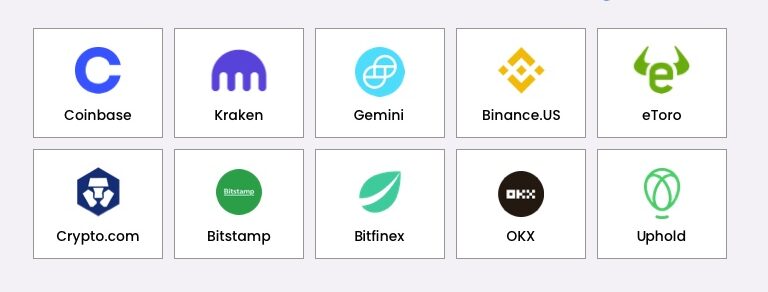
  • Look for Reputable Platforms: Popular exchanges like Coinbase (often recommended for beginners due to its user-friendly interface), Kraken (known for low fees), and Gemini (prioritizing security) are widely used. (Source: Investopedia – Best Crypto Exchanges and Apps for October 2025).
  • Security and Fees: Research the exchange’s security protocols and fee structure before committing.

2. Create and Fund Your Account

  • Sign-Up and Verification: You’ll need to create an account and verify your identity, often by providing your personal information.
  • Deposit Money: Connect your bank account to the exchange and deposit fiat currency (like USD) into your account.

3. Make Your Purchase

  • Select a Coin: Choose the cryptocurrency you want to buy (e.g., Bitcoin/BTC or Ethereum/ETH).
  • Buy: Enter the amount of crypto you wish to purchase. You can buy a whole coin or a fraction of one.


how to store cryptocurrency
cold storage wallet for cryptocurrency

Where is Cryptocurrency Stored?

A common misconception is that your crypto is stored in a wallet like cash. In reality, your cryptocurrency technically lives on the blockchain (Source: FINRA – Storing Crypto Assets).

What your “wallet” actually stores are your keys, which are required to access and control your digital assets.

  • Public Key: Like a bank account number, this is your address for receiving funds. It is safe to share.
  • Private Key: Like a password, this is the essential code that proves your ownership and allows you to authorize transactions. You must never share your private key.

Storage Methods: Hot vs. Cold Wallets

Crypto wallets are divided into two main categories, based on their connection to the internet:

Wallet Type Description Security Level Best For
Hot Wallet A crypto wallet connected to the internet. This includes software on your phone, desktop, or web-based wallets on an exchange. Convenient, but less secure as it is more susceptible to online attacks and hacking. Small amounts of crypto for frequent trading or spending.
Cold Wallet A crypto wallet not connected to the internet (offline storage). This is typically a physical hardware device (like a USB drive) or a paper printout of your keys. Highest security because the private keys are stored offline and are protected from cyber threats. Large amounts of crypto for long-term holding (known as “cold storage”).

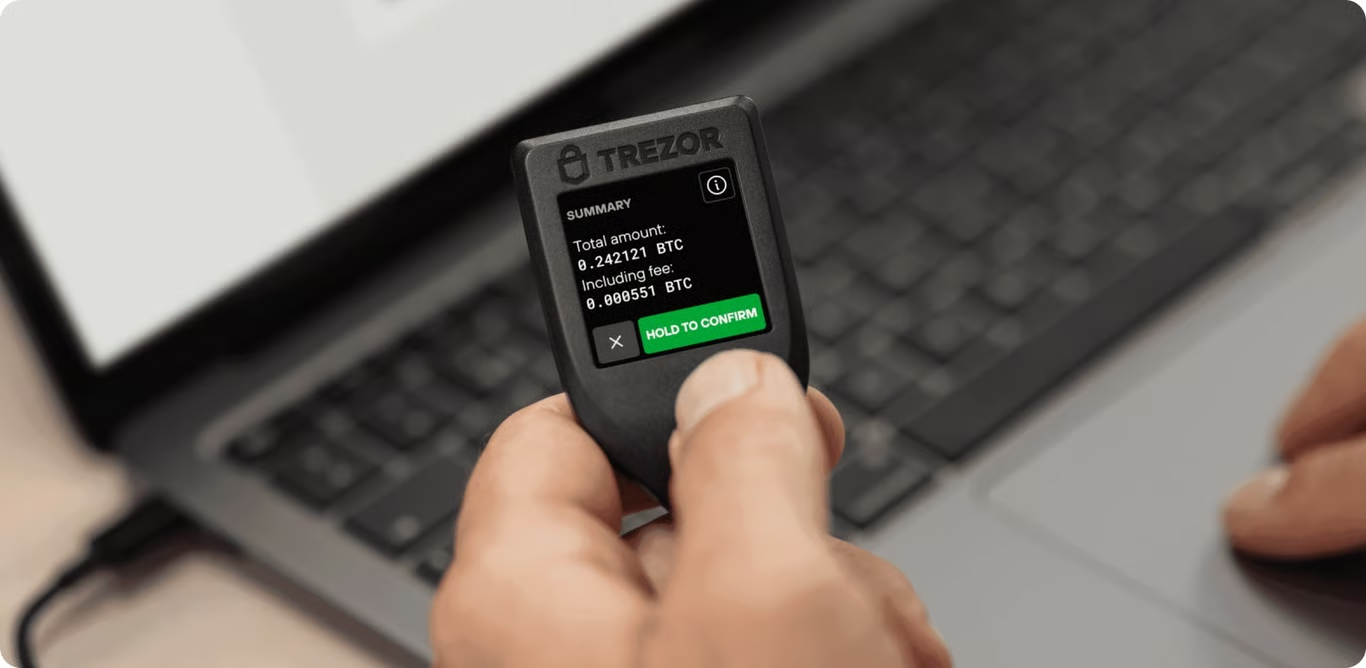
Safety Tip: Experts recommend using a non-custodial cold hardware wallet for long-term storage of significant amounts of crypto. Only keep what you plan to use immediately in a hot wallet (Source: Investopedia – What Are the Safest Ways to Store Bitcoin?).

NFTs in cryptocurrency

What are the Uses of Cryptocurrency?

While it began as a new form of digital cash, the uses for cryptocurrency have expanded dramatically, creating a new digital economy.

1. Payments and Remittances

Cryptocurrency is an effective way to send value internationally with speed and low cost, avoiding traditional banking systems.

2. Decentralized Finance (DeFi)

DeFi aims to recreate traditional financial services—like lending, borrowing, and saving—using smart contracts on a blockchain, eliminating the need for banks.

3. Digital Ownership (NFTs and Gaming)

Blockchain technology allows for true digital ownership, making it a foundation for the next phase of the internet, often called Web3.

4. Supply Chain and Business

Companies are using the transparent and immutable nature of blockchain to improve business operations.

FAQs about Cryptocurrency?

This is not financial advice. Cryptocurrency markets are highly volatile and you should never invest more than you can afford to lose. Consult with a qualified financial advisor before making any investment decisions. In our opinion you should Do Your Own Research (DYOR): Understand the technology and the problem each crypto is trying to solve. 2. Expect Volatility: Prepare for major price swings. 3. Start Small: Invest incrementally.

Cryptocurrency is regulated, but the nature and extent of this regulation differ drastically from one country to another. The global trend is moving away from ambiguity and toward comprehensive regulatory frameworks.

Cryptocurrency mining is the process that decentralized cryptocurrency networks, such as Bitcoin, use to validate new transactions, secure the network, and introduce new coins into circulation.

The process, often referred to as Proof-of-Work (PoW), is performed by powerful computers that compete to solve a complex mathematical puzzle.

The creator of the first successful and widely known decentralized cryptocurrency, Bitcoin, is an individual or group known by the pseudonym Satoshi Nakamoto.

Yes. You will taxed according to local jurisdictions based on capital gains taxes. Please consult professional tax advisors if you are looking to invest in cryptocurrency and where you may look to realise your profits.

By its nature cryptocurrency is decentralized. This key factor means holders of cryptocurrency are able to pay or use their crypto without the cost and interference of financial intermediaries such as banks or payment providers. Cryptocurrency is also volatile meaning you could make a healthy investment if the crypto you are holding grows in popularity.

James Ison

James Ison

Typically replies within an hour

I will be back soon

James Ison
Hello 👋, My name is James.
Let me know if you need information so we can help.
Whatsapp Chat with us